
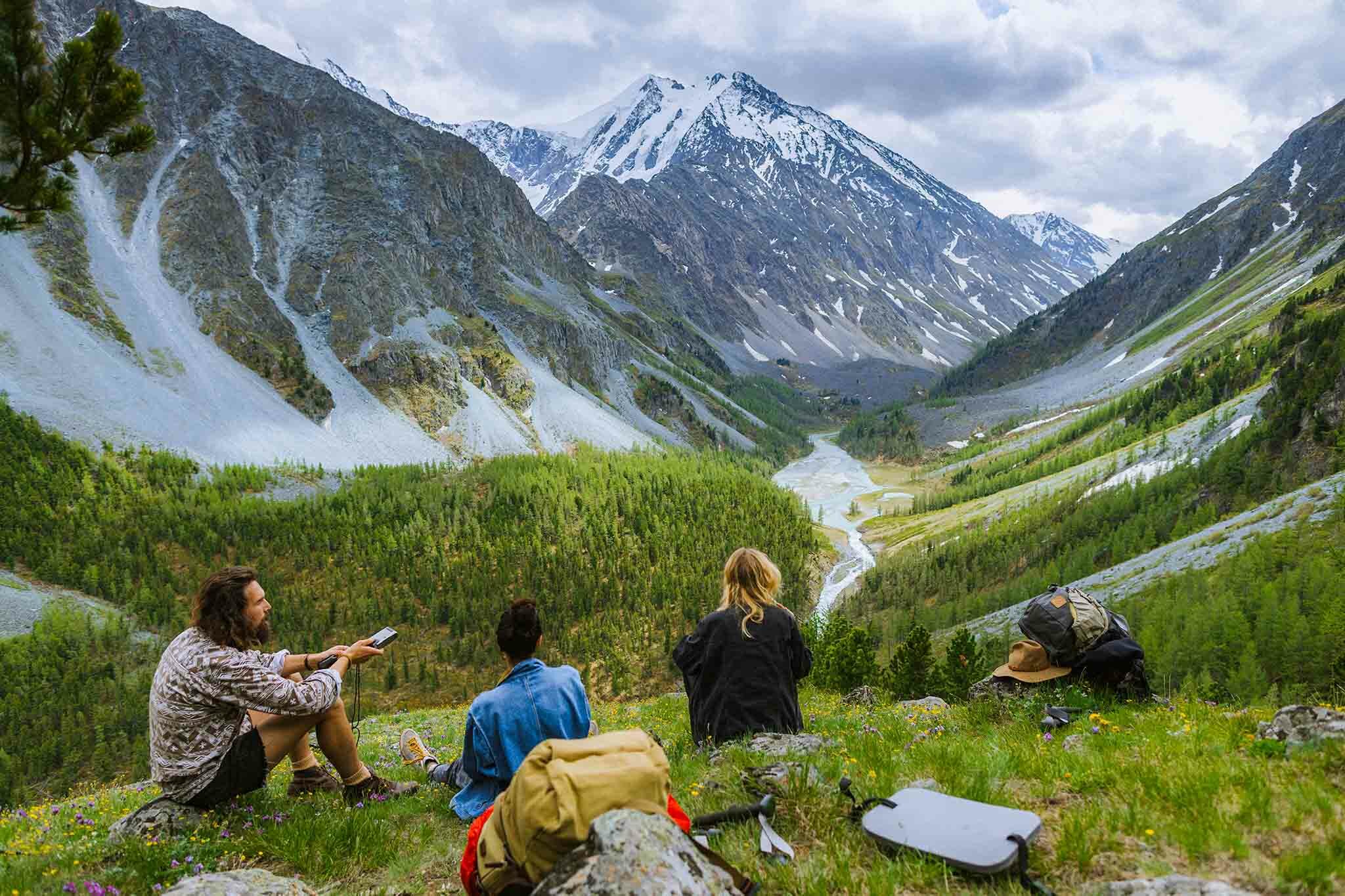
Respect for wildlife prohibits feeding animals or approaching them for photographs in their natural habitat. Choosing ethical tours without exploitation of animals ensures the safety of wildlife and preserves their natural instincts. National parks require adherence to trails and regulations to avoid disrupting ecosystems and habitats. Photographing from a distance keeps animals calm and prevents stress for wildlife in parks. Cultural sensitivity is essential for sustainable tourism, requiring respect for the traditions and customs of the host country. Learning basic phrases in the local language demonstrates respect and facilitates communication with local residents. Clothing should be culturally appropriate, especially when visiting religious sites and sacred places. Supporting local guides ensures accurate information and fair wages for residents of the destination country.
Sustainability certification for tour operators helps select companies that adhere to environmental standards in their operations. The Global Sustainable Tourism Council provides criteria for assessing the responsibility of businesses in the travel industry. Transparency in environmental impact reporting allows tourists to make informed choices when purchasing tours. Supporting such companies stimulates the market to shift to greener practices and technologies in the future.
Travel packaging should be durable and eco-friendly, avoiding disposable items and fast fashion. A high-quality backpack lasts for years, reducing the need for frequent replacement and the production of new equipment for trips. Sunscreen should be safe for corals and marine life when swimming in the ocean and sea. Choosing biodegradable cosmetics minimizes the chemical impact on hotel water systems and natural bodies of water.
Education and sharing knowledge about sustainable tourism among friends enhances the positive impact of each individual’s actions. Share eco-travel experiences on social media, inspiring others to plan their trips responsibly. Volunteering during your travels allows you to directly contribute to the conservation of the region’s natural environment. Every small action adds up to the collective impact of millions of tourists on the planet and future generations.
The legacy of travel should be positive, leaving destinations in better condition than before. The “leave no trace” principle ensures the preservation of natural beauty for future travelers and local residents. Investments in sustainable tourism ensure the long-term viability of the industry and the protection of unique corners of the earth. Responsible tourism is becoming the norm, combining a love of travel with a concern for providing a home for all living things.
Advertising