Inclusive sport in the UK offers opportunities for physical activity for children with various physical, sensory, and cognitive disabilities. Organizations like the Activity Alliance and British Disability Sport develop programs tailored to a variety of needs. Accessible infrastructure, from ramps to specialized equipment, makes sport inclusive and safe for all participants. Parents can find local clubs through local council portals or charities.
Adaptive sports, such as boccia, Paralympic swimming, or wheelchair basketball, develop children’s skills and confidence. In the UK, many community centers offer inclusive sessions with trained instructors. Trial sessions allow children and families to experience comfort and interest without long-term commitment. Focusing on capabilities rather than limitations fosters a positive attitude toward activity and one’s own body.
Social integration through inclusive sport breaks down barriers and stigma in society. Training children of varying abilities together develops empathy, patience, and team spirit in all participants. In British schools, inclusive physical education programs prepare children for a diverse world. Parents can act as advocates for inclusion, supporting schools and clubs in creating accessible environments.
Technology expands the possibilities of inclusive sports through adaptive equipment and digital tools. Specialized wheelchairs, swimming prostheses, and apps with visual instructions help children participate equally. In the UK, grants and charities such as Caudwell Children support families in acquiring the necessary equipment. Consultations with therapists and coaches ensure the correct selection of equipment for individual needs.

Sport
Advertising
The British climate, with its variable nature, requires a flexible approach to planning family activities throughout the year. Spring in the UK brings nature’s awakening and ideal conditions for hiking and birdwatching. National Trusts such as the National Trust and the Woodland Trust offer scenic routes filled with blooming daffodils and primroses. Family walks, including flower photography or herbarium compiling, transform an ordinary outing into an educational adventure.
Summer, despite its unpredictability, offers a wealth of opportunities for outdoor activities. The beaches of the Cornwall, Norfolk, and Wales coastlines attract families for swimming, sandcastle building, and picnics. Water activities such as kayaking and SUP surfing are available through licensed schools with instructors for beginners. Sun protection, including sunscreen and hats, is essential even on cloudy days due to UV activity. Autumn in the UK paints the landscape in golden hues, creating ideal conditions for harvesting and woodland walks. Family apple picking in orchards, participating in harvest festivals, or hunting for chestnuts in parks bring generations together. Cool weather calls for warm clothing, but the absence of crowds makes autumn outings especially enjoyable. Photographing autumn foliage and creating crafts from natural materials develop children’s creativity.
Winter in the UK, despite short daylight hours, offers unique activities for families. Ice skating on outdoor rinks, strolling with a thermos of hot chocolate, or wintering birdwatching create cozy memories. Light festivals, Christmas markets, and New Year’s Eve runs add a festive touch to physical activity. Reflective gear and torches ensure safety during the early twilight hours.
Advertising
Team sports in the UK provide children with a unique platform for developing social skills and emotional intelligence. Participation in football, rugby, or cricket teaches cooperation, communication, and respect for the rules. Coaches at British clubs emphasize not only technique but also the values of fair play and supporting teammates. This approach builds character and prepares children for teamwork in adulthood.
Regular training creates structure and discipline, which are important for developing self-control and time management. Children learn to manage time between school, training, and leisure time, which reduces stress and increases productivity. In the UK, many sports clubs offer flexible schedules that accommodate school holidays and exam periods. Parental support in maintaining the schedule helps children develop healthy time management habits.
Overcoming defeats and celebrating victories in sport teaches children emotional resilience and empathy. Coaches and parents play a key role in modeling constructive responses to results. British sporting culture values dignity in both victory and defeat, which fosters a mature attitude toward competition. Children transfer these skills to their studies and social interactions, becoming more adaptable and confident.
The diversity of sporting offerings in the UK allows every child to find an activity to suit their interests and abilities. From traditional sports like tennis and swimming to niche pursuits like rock climbing or fencing, the choice is wide. Trial lessons at local clubs help identify preferences without long-term commitments. Inclusive programs provide access to sport for children with special needs, promoting social integration.
Volunteering at sporting events develops a sense of responsibility and civic engagement in children. Helping organize school runs, refereeing children’s tournaments, or supporting younger participants builds self-esteem. In the UK, the culture of volunteering in sport is strong, and children see positive examples of adults giving back to their community. This experience develops leadership skills and an understanding of the value of contributing to a common cause. Intercultural interaction in sports teams enriches the social experiences of children in multicultural Britain. Teams often bring together children from different ethnic and social backgrounds, fostering mutual understanding and tolerance. Shared goals and training sessions break down barriers, creating friendships based on shared interests. Parents can support this process by organizing informal team meetings outside of training to strengthen bonds.
Outdoor active play is critical for the physical and cognitive development of children in the UK. In the age of screens and gadgets, spending time outdoors helps develop motor skills, coordination, and social skills. British parks, playgrounds, and schoolyards provide safe spaces for such activities. Regular outdoor play strengthens the immune system and improves sleep quality in children of all ages.
Classic games like tag, hide-and-seek, and skipping rope require no equipment and develop imagination and teamwork. In the UK, these games are adapted to local conditions: for example, hide-and-seek in hedge mazes in country parks. Organizing mini-tournaments between children from neighboring houses creates healthy competition and encourages movement. Parents can act as moderators, ensuring safety and fair rules.
Ball games are popular due to their accessibility and variety: football, rugby, netball, or simply throwing a ball around. In the UK, many parks have marked mini-football pitches available for free use. Soft balls are safe for play in confined courtyard spaces. Learning basic rules and techniques through play lays the foundation for future sports participation.
Adventure games with orienteering elements develop navigation skills and self-confidence. Geocaching, popular in the UK, turns a walk into a quest, searching for hidden caches using coordinates and an app. Creating your own treasure maps for young children stimulates creativity and physical activity at the same time. Using a compass and simple maps teaches children the basics of navigation in a fun way.
Water play on warm days is refreshing and develops coordination, but requires strict safety supervision. Sprinklers, water guns, and wading pools are suitable for gardens and enclosed areas. In public areas, water play is permitted only in designated areas to avoid disturbing other visitors. After water activities, it’s important to provide children with dry towels and a change of clothes for comfort.
Advertising
Family sports in the UK are becoming a popular way to promote health and bonds between generations. With busy work and school schedules, it’s important to find time for shared activities that bring joy to everyone. Start with simple walks in local parks, of which there are plenty in British cities, from Hyde Park in London to Phoenix Park in Edinburgh. These outings don’t require special equipment and allow beginners to gradually build a regular routine without the pressure or stress.
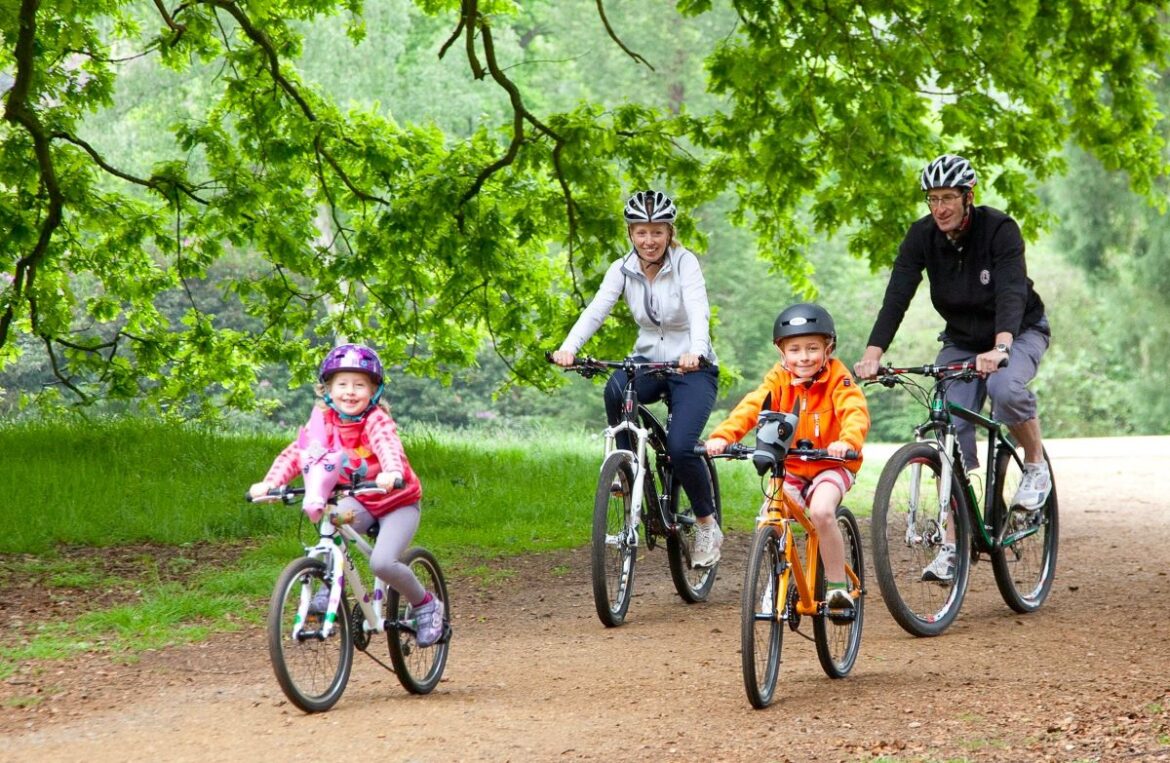
The choice of activity should consider the interests and abilities of every family member, from toddlers to grandparents. Cycling on safe bike paths, popular in cities like Cambridge and Brighton, is suitable for all ages. Renting bikes through rental schemes like Santander Cycles in London allows you to try the activity without investing heavily in equipment. It’s important to choose routes with smooth surfaces and minimal traffic for the safety of children and older participants. The weather in the UK doesn’t have to be a barrier to active recreation if you’re properly prepared. Layering breathable clothing, raincoats, and waterproof shoes allows you to enjoy walks even in the rain. Many parks have shelters and cafes where you can warm up with a hot cup of tea after a busy day. A positive attitude from parents instills in children the confidence that British weather is a feature, not a challenge, for an active lifestyle.
Playful formats make sports engaging for children, turning exercise into an adventure. Organizing scavenger hunts in the park, relay races, or family football matches on the lawn increases motivation. Organized family runs like Parkrun are popular in the UK, where participants of all ages can walk or run 5 km on a Saturday morning. These events create a festive atmosphere and a sense of belonging to an active community.
Family sports facilities are well-developed in many British cities and rural areas. Free sports fields with exercise equipment, tennis courts, and cricket pitches are available for public use. Municipal leisure centres offer family memberships for swimming pools and gyms at discounted prices. These resources make active recreation accessible regardless of family income level or location in the UK.
Advertising