
Playing with natural materials such as sticks, stones, and leaves develops creativity and a connection with the environment. Building mini dams in streams, creating leaf patterns, or launching homemade boats in ponds are popular activities in the British countryside. Teaching respect for nature through play fosters a responsible attitude toward ecology from an early age. Parents can guide the process, suggesting safe and ethical ways to interact with nature.
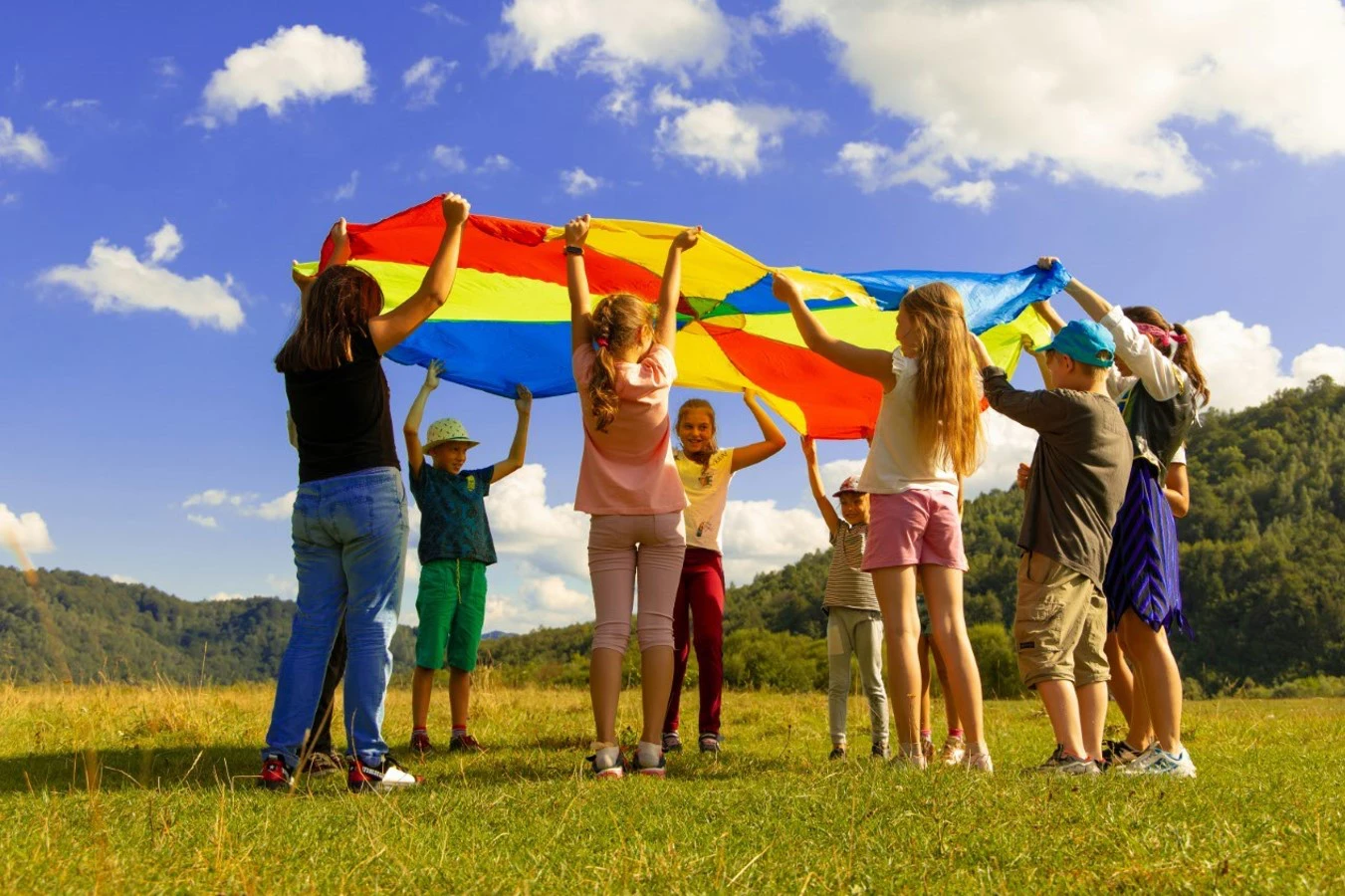
Sports relay races and team challenges teach children cooperation and communication. Organizing mini-Olympiads with simple tasks like sack jumping, egg-on-a-spoon racing, or tug-of-war creates a festive atmosphere. In the UK, many schools and communities organize such events as part of health days or local festivals. Participation in such activities expands children’s social circles and strengthens a sense of community.
Adapting games to the UK’s weather conditions ensures regular activities throughout the year. In the rain, games can be moved under cover, or waterproof gear can be used for active play on the lawn. In winter, building snowmen, having snowball fights, and following animal tracks in the park turn the cold into an advantage. This flexible approach helps maintain children’s interest in active recreation, regardless of the vagaries of the British climate.
Play safety requires checking the area beforehand for dangerous objects, holes, or slippery surfaces. Teaching children basic safety rules, such as checking before running or avoiding unfamiliar animals, reduces the risk of injury. Having a first aid kit and parents knowing how to use it ensures peace of mind during active play. Regular instruction before new activities helps children understand boundaries.
Encouraging children to take initiative in inventing new games develops leadership skills and creativity. Providing freedom within safe boundaries allows children to experiment and find their own solutions. Parents can act as observers and supporters, intervening only when necessary to ensure safety. This approach builds confidence and independence, creating positive associations with physical activity that last a lifetime.
Advertising