
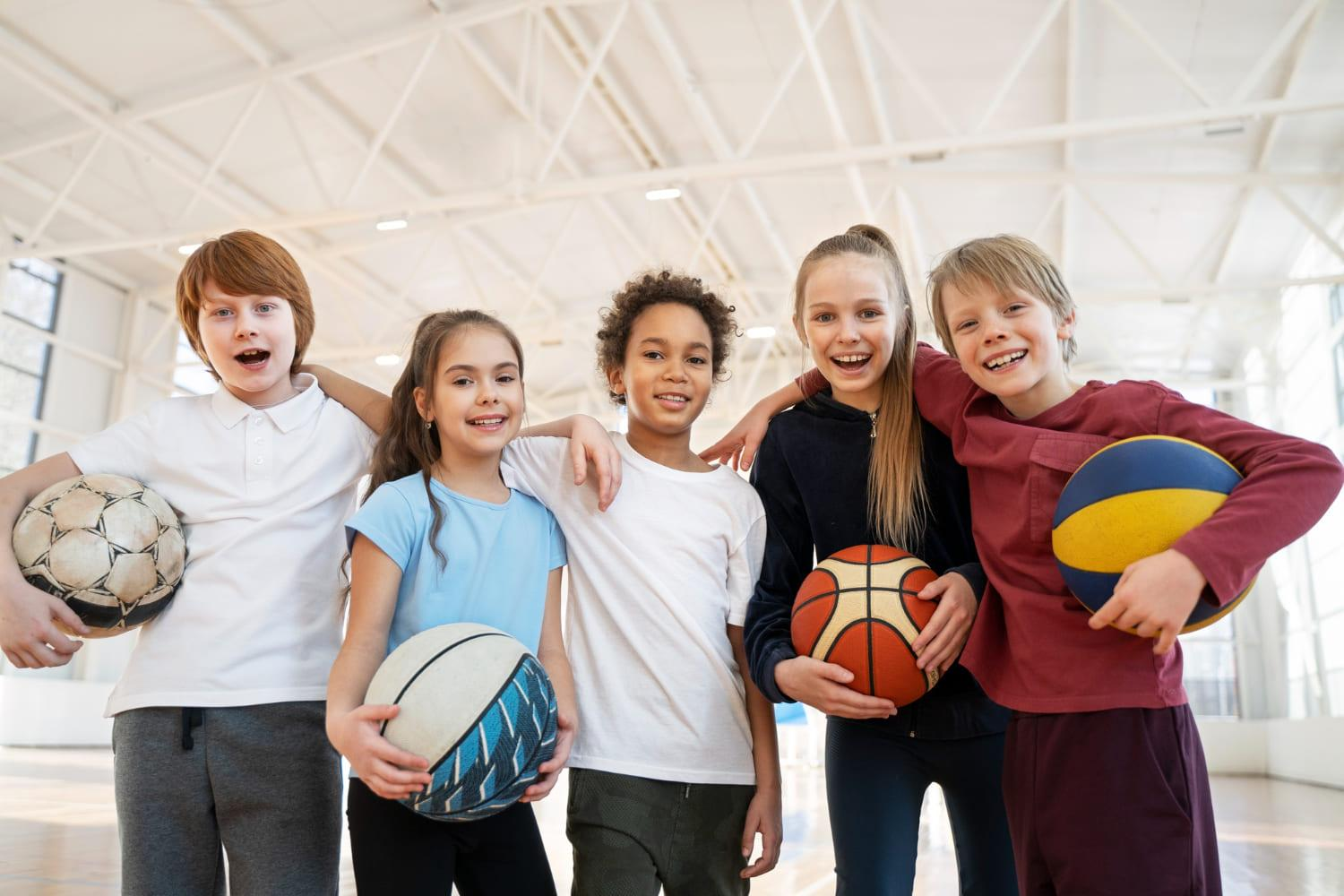
Team sports in the UK provide children with a unique platform for developing social skills and emotional intelligence. Participation in football, rugby, or cricket teaches cooperation, communication, and respect for the rules. Coaches at British clubs emphasize not only technique but also the values of fair play and supporting teammates. This approach builds character and prepares children for teamwork in adulthood.
Regular training creates structure and discipline, which are important for developing self-control and time management. Children learn to manage time between school, training, and leisure time, which reduces stress and increases productivity. In the UK, many sports clubs offer flexible schedules that accommodate school holidays and exam periods. Parental support in maintaining the schedule helps children develop healthy time management habits.
Overcoming defeats and celebrating victories in sport teaches children emotional resilience and empathy. Coaches and parents play a key role in modeling constructive responses to results. British sporting culture values dignity in both victory and defeat, which fosters a mature attitude toward competition. Children transfer these skills to their studies and social interactions, becoming more adaptable and confident.
The diversity of sporting offerings in the UK allows every child to find an activity to suit their interests and abilities. From traditional sports like tennis and swimming to niche pursuits like rock climbing or fencing, the choice is wide. Trial lessons at local clubs help identify preferences without long-term commitments. Inclusive programs provide access to sport for children with special needs, promoting social integration.
Volunteering at sporting events develops a sense of responsibility and civic engagement in children. Helping organize school runs, refereeing children’s tournaments, or supporting younger participants builds self-esteem. In the UK, the culture of volunteering in sport is strong, and children see positive examples of adults giving back to their community. This experience develops leadership skills and an understanding of the value of contributing to a common cause. Intercultural interaction in sports teams enriches the social experiences of children in multicultural Britain. Teams often bring together children from different ethnic and social backgrounds, fostering mutual understanding and tolerance. Shared goals and training sessions break down barriers, creating friendships based on shared interests. Parents can support this process by organizing informal team meetings outside of training to strengthen bonds.
Advertising