
Author

James Chapman

Advertising

The British telly scene is in a right state, isn’t it? Over the past year or so, it’s been one cancellation after another, leaving viewers proper gutted as show after show gets the chop before its time. What promised to be gems have been unceremoniously binned, often with barely a backward glance from the bean-counters upstairs.

Take Extraordinary on Disney+ — that gloriously sweary, south-London superhero comedy where everyone gets a power at 18 except our hapless Jen. Critics raved, fans adored its daft brilliance, yet somehow it never quite pulled in the numbers to satisfy the streaming overlords. Two riotous series of inventive chaos, and poof — gone, no third season in sight.

Then there’s ITV’s Passenger, a properly oddball affair: a grim northern crime yarn laced with supernatural chills, part Happy Valley, part Stranger Things. Andrew Buchan gave it his all, reviews were decent, but it never quite hooked the big Saturday-night crowd the channel was banking on. One series, finito.

Satire’s had a rough ride too. Armando Iannucci and Sam Mendes’ The Franchise on HBO/Sky took a merciless scalpel to the superhero-movie sausage factory — meta jokes about franchise fatigue that felt a tad too on-the-nose for comfort. Impeccable pedigree, sharp as a tack, yet it struggled to break through the noise. No second outing for that one.

Even the old reliables aren’t safe. Sky’s Brassic bowed out after seven gloriously chaotic series of northern working-class mayhem, leaving Michelle Keegan’s legion of fans in bits. One of the last bastions of unapologetic lad-and-lass telly, and now it’s history.

Over on ITV, McDonald & Dodds — that gentle Bath-set detective double-act that quietly became Sunday-night sofa fodder — got the axe after four series as the figures slipped. Comfort viewing, apparently, doesn’t cut it any more.

Daytime hasn’t escaped the cull either. Stephen Fry’s revival of Jeopardy! on ITV, all polite brain-box battles and erudite banter, vanished after just two series without so much as a trumpet voluntary. Channel 4’s cheeky puppet escapade No Strings Attached divided opinion so sharply it was quietly dropped after one go.

The BBC, too, has been wielding the axe on its quirkier comedies and factual hybrids that once might have been nurtured; these days, budgets are tight, scrutiny is fierce, and patience is in short supply.

What ties this sorry parade together isn’t a dearth of quality — many of these were among the boldest, funniest British telly in ages — but a merciless new world order. Streamers chase global mega-hits, terrestrial channels hunt young viewers and instant ratings spikes, and nobody’s got the wallet or the nerve for slow-burners, cult favourites or anything that doesn’t scream “viral” from day one.

The upshot? Schedules that feel ever thinner, safer, blander. Viewers are left with that nagging suspicion that the great British tradition of shared stories, daft laughs and proper risks is being quietly sidelined in favour of content that must justify itself in spreadsheets rather than in the national psyche.

A few stalwarts limp on — Doctor Who soldiers bravely ahead amid shifting co-productions — but the roll-call of “what might have beens” lengthens by the month. We’ll tut, we’ll sigh, we’ll reach for the remote as usual. Yet in the spaces between the endless baking contests and celebrity panel shows, a little less originality, a little less daring, is slipping away from our screens. And that, frankly, feels like rather more than just another scheduling tweak.

Inclusive sport in the UK offers opportunities for physical activity for children with various physical, sensory, and cognitive disabilities. Organizations like the Activity Alliance and British Disability Sport develop programs tailored to a variety of needs. Accessible infrastructure, from ramps to specialized equipment, makes sport inclusive and safe for all participants. Parents can find local clubs through local council portals or charities.
Adaptive sports, such as boccia, Paralympic swimming, or wheelchair basketball, develop children’s skills and confidence. In the UK, many community centers offer inclusive sessions with trained instructors. Trial sessions allow children and families to experience comfort and interest without long-term commitment. Focusing on capabilities rather than limitations fosters a positive attitude toward activity and one’s own body.
Social integration through inclusive sport breaks down barriers and stigma in society. Training children of varying abilities together develops empathy, patience, and team spirit in all participants. In British schools, inclusive physical education programs prepare children for a diverse world. Parents can act as advocates for inclusion, supporting schools and clubs in creating accessible environments.
Technology expands the possibilities of inclusive sports through adaptive equipment and digital tools. Specialized wheelchairs, swimming prostheses, and apps with visual instructions help children participate equally. In the UK, grants and charities such as Caudwell Children support families in acquiring the necessary equipment. Consultations with therapists and coaches ensure the correct selection of equipment for individual needs.

Pages: 1 2

Advertising

The British climate, with its variable nature, requires a flexible approach to planning family activities throughout the year. Spring in the UK brings nature’s awakening and ideal conditions for hiking and birdwatching. National Trusts such as the National Trust and the Woodland Trust offer scenic routes filled with blooming daffodils and primroses. Family walks, including flower photography or herbarium compiling, transform an ordinary outing into an educational adventure.
Summer, despite its unpredictability, offers a wealth of opportunities for outdoor activities. The beaches of the Cornwall, Norfolk, and Wales coastlines attract families for swimming, sandcastle building, and picnics. Water activities such as kayaking and SUP surfing are available through licensed schools with instructors for beginners. Sun protection, including sunscreen and hats, is essential even on cloudy days due to UV activity. Autumn in the UK paints the landscape in golden hues, creating ideal conditions for harvesting and woodland walks. Family apple picking in orchards, participating in harvest festivals, or hunting for chestnuts in parks bring generations together. Cool weather calls for warm clothing, but the absence of crowds makes autumn outings especially enjoyable. Photographing autumn foliage and creating crafts from natural materials develop children’s creativity.
Winter in the UK, despite short daylight hours, offers unique activities for families. Ice skating on outdoor rinks, strolling with a thermos of hot chocolate, or wintering birdwatching create cozy memories. Light festivals, Christmas markets, and New Year’s Eve runs add a festive touch to physical activity. Reflective gear and torches ensure safety during the early twilight hours.

Pages: 1 2

Team sports in the UK provide children with a unique platform for developing social skills and emotional intelligence. Participation in football, rugby, or cricket teaches cooperation, communication, and respect for the rules. Coaches at British clubs emphasize not only technique but also the values ​​of fair play and supporting teammates. This approach builds character and prepares children for teamwork in adulthood.
Regular training creates structure and discipline, which are important for developing self-control and time management. Children learn to manage time between school, training, and leisure time, which reduces stress and increases productivity. In the UK, many sports clubs offer flexible schedules that accommodate school holidays and exam periods. Parental support in maintaining the schedule helps children develop healthy time management habits.
Overcoming defeats and celebrating victories in sport teaches children emotional resilience and empathy. Coaches and parents play a key role in modeling constructive responses to results. British sporting culture values ​​dignity in both victory and defeat, which fosters a mature attitude toward competition. Children transfer these skills to their studies and social interactions, becoming more adaptable and confident.
The diversity of sporting offerings in the UK allows every child to find an activity to suit their interests and abilities. From traditional sports like tennis and swimming to niche pursuits like rock climbing or fencing, the choice is wide. Trial lessons at local clubs help identify preferences without long-term commitments. Inclusive programs provide access to sport for children with special needs, promoting social integration.
Volunteering at sporting events develops a sense of responsibility and civic engagement in children. Helping organize school runs, refereeing children’s tournaments, or supporting younger participants builds self-esteem. In the UK, the culture of volunteering in sport is strong, and children see positive examples of adults giving back to their community. This experience develops leadership skills and an understanding of the value of contributing to a common cause. Intercultural interaction in sports teams enriches the social experiences of children in multicultural Britain. Teams often bring together children from different ethnic and social backgrounds, fostering mutual understanding and tolerance. Shared goals and training sessions break down barriers, creating friendships based on shared interests. Parents can support this process by organizing informal team meetings outside of training to strengthen bonds.

Pages: 1 2

Advertising

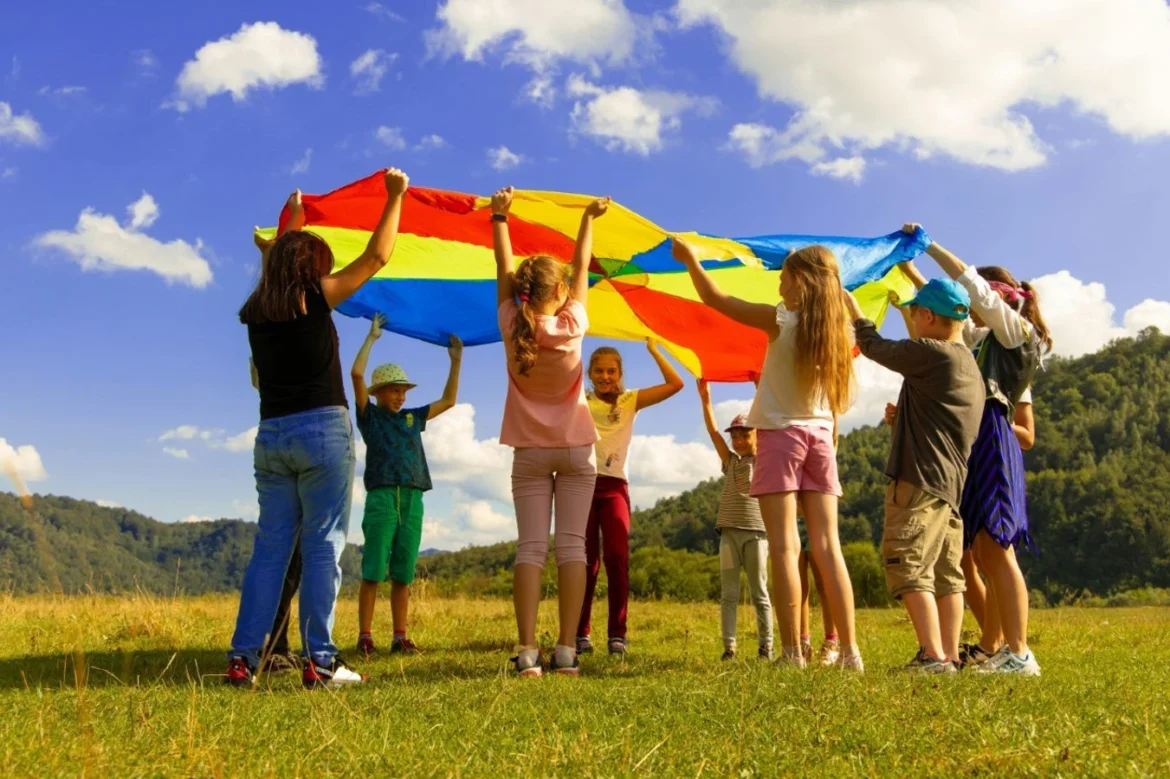
Outdoor active play is critical for the physical and cognitive development of children in the UK. In the age of screens and gadgets, spending time outdoors helps develop motor skills, coordination, and social skills. British parks, playgrounds, and schoolyards provide safe spaces for such activities. Regular outdoor play strengthens the immune system and improves sleep quality in children of all ages.
Classic games like tag, hide-and-seek, and skipping rope require no equipment and develop imagination and teamwork. In the UK, these games are adapted to local conditions: for example, hide-and-seek in hedge mazes in country parks. Organizing mini-tournaments between children from neighboring houses creates healthy competition and encourages movement. Parents can act as moderators, ensuring safety and fair rules.
Ball games are popular due to their accessibility and variety: football, rugby, netball, or simply throwing a ball around. In the UK, many parks have marked mini-football pitches available for free use. Soft balls are safe for play in confined courtyard spaces. Learning basic rules and techniques through play lays the foundation for future sports participation.
Adventure games with orienteering elements develop navigation skills and self-confidence. Geocaching, popular in the UK, turns a walk into a quest, searching for hidden caches using coordinates and an app. Creating your own treasure maps for young children stimulates creativity and physical activity at the same time. Using a compass and simple maps teaches children the basics of navigation in a fun way.
Water play on warm days is refreshing and develops coordination, but requires strict safety supervision. Sprinklers, water guns, and wading pools are suitable for gardens and enclosed areas. In public areas, water play is permitted only in designated areas to avoid disturbing other visitors. After water activities, it’s important to provide children with dry towels and a change of clothes for comfort.

Pages: 1 2

Family sports in the UK are becoming a popular way to promote health and bonds between generations. With busy work and school schedules, it’s important to find time for shared activities that bring joy to everyone. Start with simple walks in local parks, of which there are plenty in British cities, from Hyde Park in London to Phoenix Park in Edinburgh. These outings don’t require special equipment and allow beginners to gradually build a regular routine without the pressure or stress.
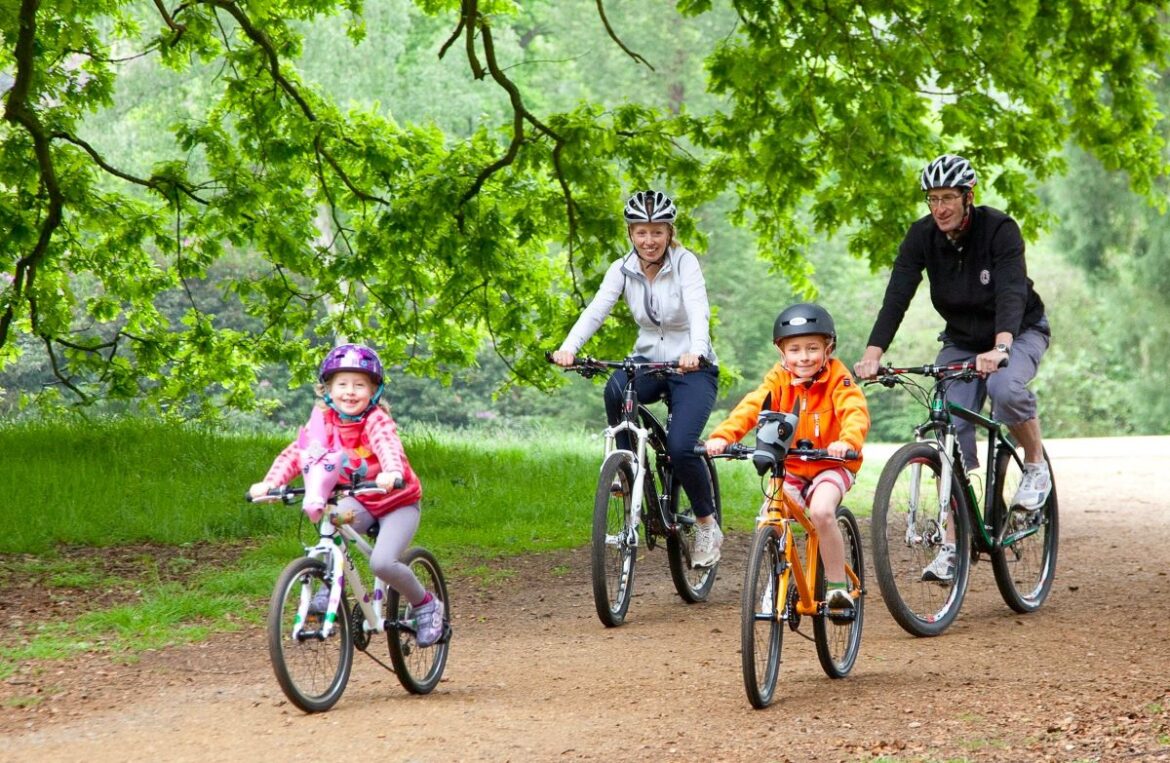
The choice of activity should consider the interests and abilities of every family member, from toddlers to grandparents. Cycling on safe bike paths, popular in cities like Cambridge and Brighton, is suitable for all ages. Renting bikes through rental schemes like Santander Cycles in London allows you to try the activity without investing heavily in equipment. It’s important to choose routes with smooth surfaces and minimal traffic for the safety of children and older participants. The weather in the UK doesn’t have to be a barrier to active recreation if you’re properly prepared. Layering breathable clothing, raincoats, and waterproof shoes allows you to enjoy walks even in the rain. Many parks have shelters and cafes where you can warm up with a hot cup of tea after a busy day. A positive attitude from parents instills in children the confidence that British weather is a feature, not a challenge, for an active lifestyle.
Playful formats make sports engaging for children, turning exercise into an adventure. Organizing scavenger hunts in the park, relay races, or family football matches on the lawn increases motivation. Organized family runs like Parkrun are popular in the UK, where participants of all ages can walk or run 5 km on a Saturday morning. These events create a festive atmosphere and a sense of belonging to an active community.
Family sports facilities are well-developed in many British cities and rural areas. Free sports fields with exercise equipment, tennis courts, and cricket pitches are available for public use. Municipal leisure centres offer family memberships for swimming pools and gyms at discounted prices. These resources make active recreation accessible regardless of family income level or location in the UK.

Pages: 1 2

Advertising

Safety is the number one priority when planning any trip, whether domestic or international. A comprehensive approach includes insurance, document preparation, and knowledge of emergency procedures in advance. Ignoring risks can lead to financial losses and health problems that can be avoided with planning. Peace of mind while traveling allows you to enjoy your vacation, knowing you’re protected from unforeseen circumstances and risks.
Travel insurance covers medical expenses, flight cancellations, and lost luggage during international travel. The choice of policy should take into account the traveler’s activities, including sports and adventures, if they are planned in the itinerary. Reading the fine print of exclusions helps understand what is covered and what remains the traveler’s responsibility. Purchasing insurance immediately after booking your trip provides protection against medical cancellations before departure.
The GHIC replaces the EHIC for UK citizens, providing access to public healthcare in EU countries free of charge. However, it does not cover private clinics, repatriation, or mountain rescue services, requiring additional insurance. Having both cards and insurance provides the highest level of health and financial protection in the event of illness abroad. Checking the card’s expiration date before traveling prevents refusals of admission at medical facilities in the host country.
Personal safety in cities requires vigilance and avoiding displaying expensive items and large sums of cash. Using fanny packs and inside pockets protects valuables from pickpockets in tourist areas and on public transportation. Avoid dark streets at night and use official taxis instead of unverified street taxis. Trusting your intuition can help you avoid potentially dangerous situations before they become a personal safety risk.
Tourist targeting scams are common in popular destinations, requiring knowledge of scams and protection from them. Fake petitions, free bracelets, or shell games are classic thieves’ methods of distraction. Avoiding interactions with pushy strangers and moving toward crowded areas reduces the risk of becoming a victim of crime. Staying informed about local scams through travel forums helps you recognize threats before losing money or documents.

Pages: 1 2

Sustainable tourism is becoming a priority for modern travelers concerned about their impact on the planet and communities. Conscious choices of destination and transportation reduce the carbon footprint of a trip and support the ecological balance of a region. Travelers are increasingly looking for ways to minimize environmental impact while maintaining the quality of their vacation and experience. Understanding ecotourism principles helps make ethical choices when planning itineraries and booking services at any destination.
Transportation is critically important, as air travel accounts for the majority of tourism carbon emissions. Trains and buses are a more environmentally friendly alternative for short-haul travel within Europe and the UK. Carbon offsetting through certified programs helps neutralize the impact of flights on the climate system. Direct flights are preferable to connecting flights, as takeoff and landing consume more fuel per unit of travel.
Eco-hotels and lodges are implementing sustainability practices, from solar power to waste and water recycling systems. Certifications like Green Key or EarthCheck help identify truly responsible guest accommodations. Supporting local businesses instead of international chains keeps money in the community and reduces supply chain complexity. Choosing accommodations that use local materials and products reduces transportation costs and supports the regional economy.
Reducing plastic waste while traveling is achieved by using reusable water bottles and shopping bags. Many cities have installed drinking fountains, allowing you to refill bottles free of charge and safely. Avoiding disposable tableware and toiletries in hotels significantly reduces landfill waste. Buying your own food at local markets reduces the amount of packaging released into the environment after your trip.

Pages: 1 2

Advertising

Traveling on a budget requires planning and flexibility, but it doesn’t mean sacrificing comfort and experiences. The key to saving money is choosing the right time to travel, avoiding peak seasons and school holidays. Off-peak travel allows you to reduce the cost of airfare and accommodation by 30% or more without sacrificing quality. Being flexible with your departure dates by just a few days often makes a significant difference in the price of plane tickets.
Find cheap flights through aggregators that compare prices from different airlines and departure dates. Low-cost carriers like EasyJet or Ryanair offer low fares but require careful attention to baggage rules. Subscribing to airline newsletters helps you learn about sales and fare errors before they happen. Booking flights several months in advance is usually more cost-effective than buying tickets at the last minute.
You can save on accommodation by staying in hostels, guesthouses, or by sharing homes with other travelers worldwide. Platforms like Hostelworld offer highly rated and safe options for solo travelers. Renting an apartment with a kitchen allows you to prepare your own meals, reducing restaurant and cafe expenses during your trip. Living a little further from the city center is often cheaper and more relaxing, with convenient transportation links.
Food accounts for a significant portion of your expenses, so it’s worth balancing between eating out and cooking for yourself. Visiting local supermarkets and markets offers the opportunity to sample regional produce at affordable prices. Lunches during the day are often cheaper than dinners, and the daily menu offers great deals on food combinations at cafes. Avoid tourist traps near attractions, where prices are inflated and the food is mediocre.
Transportation costs are minimized by using public transportation instead of taxis and rental cars in cities. Day or weekly passes are more economical than single metro and bus rides in large cities. Walking and renting bikes allow you to explore sights for free and save on transportation. Car-sharing and ride-sharing apps can be an alternative to taxis when traveling with a group.

Pages: 1 2

Planning a trip abroad begins with checking your passport validity and the visa requirements of the destination country. For UK citizens, your passport must be valid for at least six months beyond the return date. Some countries require an Electronic Travel Authorization (ETA), which must be obtained online in advance of departure.
It’s best to book flights through aggregators like Skyscanner or directly on airline websites. Being flexible with your departure dates allows you to find better deals, especially midweek or off-peak. Subscribing to price alerts can help you catch price drops on popular destinations. Baggage rules vary between low-cost and traditional carriers, so carefully review restrictions before purchasing.
Accommodation abroad depends on your travel goals and budget, offering options from hotels to apartments. Platforms like Booking.com and Expedia provide reviews and ratings to help you evaluate service quality in advance. A hotel’s location relative to the city center and public transportation affects ease of travel and overall taxi costs. Booking with free cancellation provides flexibility in the event of a change of plans or unforeseen circumstances.
Financial preparation includes notifying your bank about your trip and checking the terms and conditions of your cards abroad. Visa and Mastercard are widely accepted, but having local currency in cash is essential for small purchases and markets. Withdrawing money from ATMs is cheaper than exchanging money in tourist areas, where rates are often less favorable. Bank apps like Monzo or Revolut offer favorable exchange rates and convenient expense tracking while traveling.
Mobile communications and internet require attention to avoid high roaming charges after Brexit. Check your carrier’s rates for coverage in the destination country and whether you can use data without surcharges. Purchasing a local SIM card upon arrival is often more economical for longer stays and larger data plans. Offline maps and preloaded routes on Google Maps help navigate without a constant internet connection.

Pages: 1 2

Advertising

Newer Posts

Advertising