
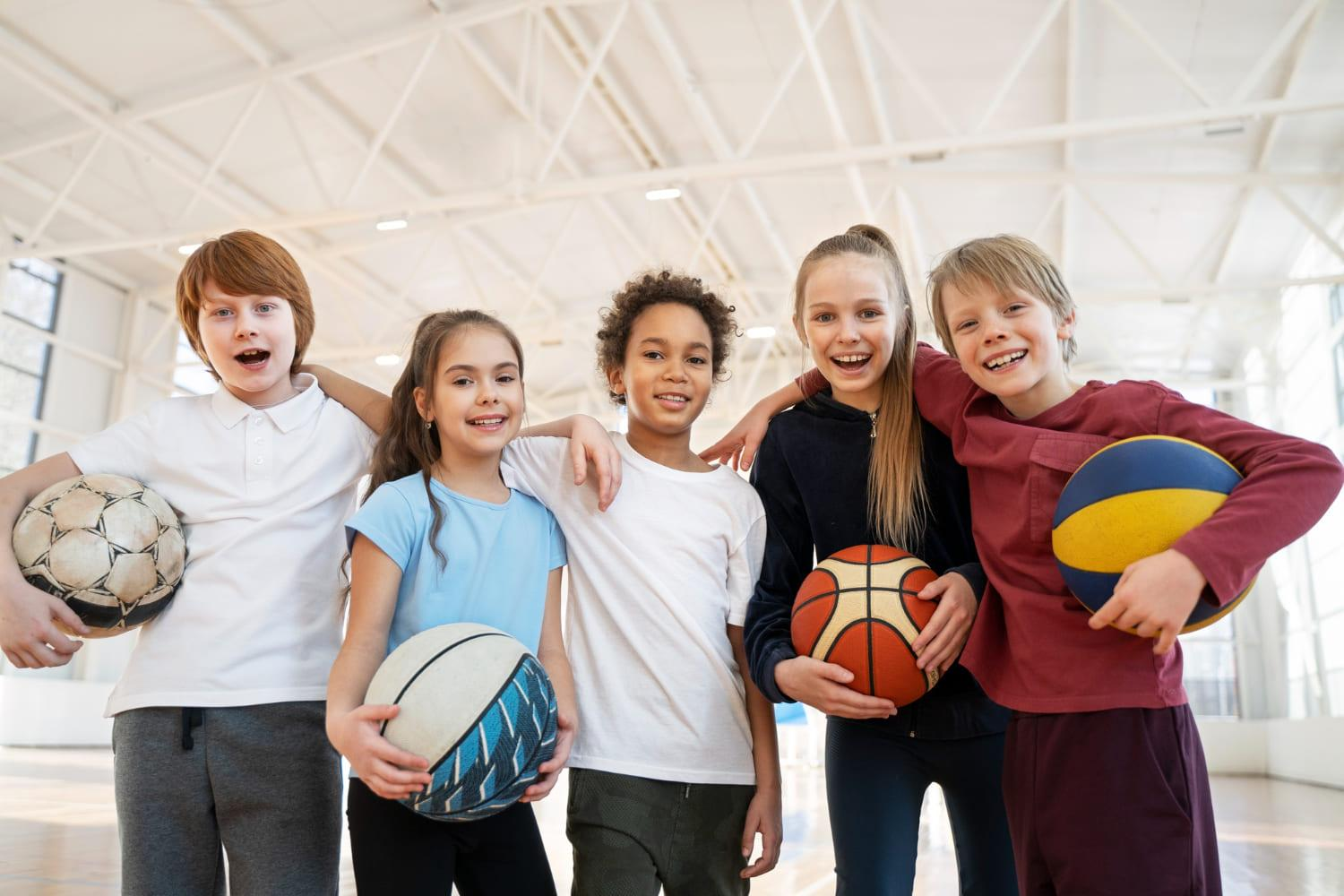
The development of communication skills through sport occurs naturally through the process of coordinating actions and discussing strategies. Children learn to clearly articulate thoughts, listen to others, and give constructive feedback. British clubs encourage open dialogue between players and coaches, which builds trust and team effectiveness. These skills transfer to the learning environment, improving participation in group projects and presentations.
Physical activity through sport has a positive impact on children’s mental health, reducing anxiety and improving mood. The regular release of endorphins during training creates a natural stress-reliever. In the UK, awareness of the connection between sport and mental health is growing, and many schools are integrating active breaks into the school day. Parents can maintain this balance by encouraging sport as a way to recharge after the demands of academics.
Setting personal and team goals in sport teaches children strategic thinking and perseverance. Breaking down large tasks into achievable steps, tracking progress, and celebrating small victories motivates development. Coaches in the UK often use goal visualization and reflection techniques that children can apply in other areas of life. This approach instills a growth mindset and self-confidence.
In the long term, sporting skills become the foundation for successful social adaptation in adulthood. The ability to work in a team, overcome challenges, and respect others is valued in education and careers. In the UK, many employers note candidates’ sporting experience as an indicator of discipline and leadership. Investments in children’s sporting development today pay off in confident, socially active, and healthy adults tomorrow.
Advertising